
India's semiconductor story has moved from announcements to operations. At SEMICON India 2026, the Prime Minister described the journey as moving "from files to factories". Twelve semiconductor projects were approved under the first phase of the India Semiconductor Mission, and several are already in commercial production.
That shift changes the question every plant leader is asking. Capital has been committed, buildings are up and equipment is arriving. The next constraint is people: operators, technicians and engineers who are productive on a live line from day one.
What Semicon 2.0 changes
Semicon 2.0 was approved by the Union Cabinet in July 2026 with an outlay of Rs 1,27,500 crore. It extends India's semiconductor mission across the value chain: chip design, equipment and materials, fabs, advanced packaging and research.
The first wave of approved projects is weighted towards assembly, test and packaging. Semicon 2.0 widens the build-out further, into more fabs, advanced packaging, and the equipment and materials that keep plants running. Every one of those facilities raises the same question: who will run the line?
Why the factory floor is the hard part
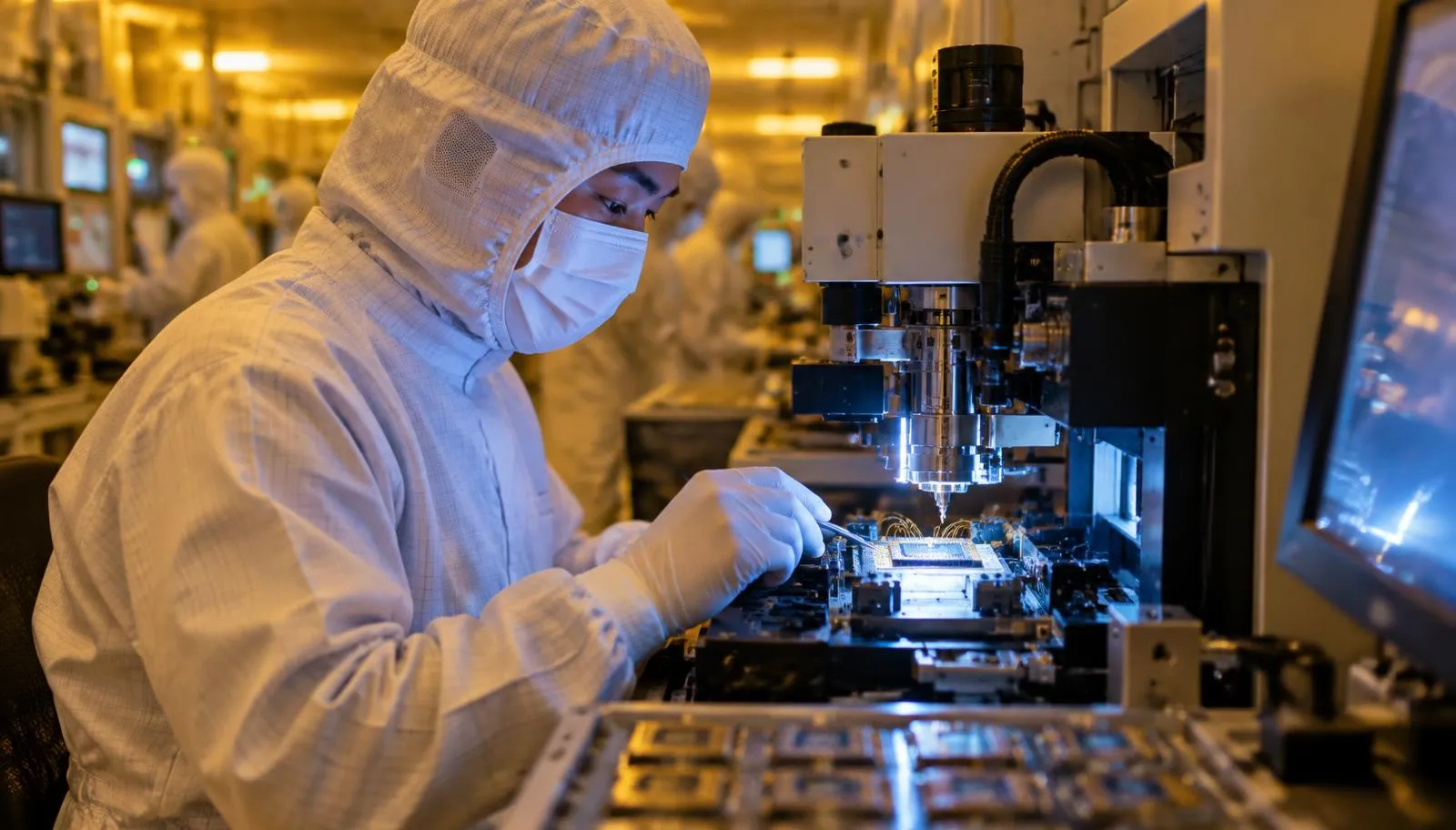
Capital can be committed in a board meeting. A production-ready workforce cannot. An OSAT technician must work inside a cleanroom, follow ESD discipline, run and maintain real equipment, read process parameters, catch defects early and hold standard across a production shift.
None of that is proven by a certificate of attendance. Plants that hire on paper credentials often end up training new hires on the line themselves. That cost lands during the ramp, exactly when yield and uptime matter most.
What a plant needs on day one
Across OSAT and ATMP operations, the same core roles repeat from plant to plant:
- Technicians: packaging, assembly, test and equipment technicians
- Engineers: equipment, process, quality, reliability, yield, maintenance and advanced packaging engineers
- Supervision: production supervisors who can run shifts to standard
Because these roles repeat across employers, they can be defined once, built on a common semiconductor foundation, and then tailored to each plant's own equipment and SOPs. That is how a workforce scales without starting from zero at every new site.
Three engines, one ready workforce
At Nirji Semicon, we build that workforce through three engines working together.
- Mobilise. Experienced OSAT, ATMP and fab professionals from global semiconductor hubs are brought to India to start and stabilise lines now, and to train local teams on the floor.
- Manufacture. India's own workforce is built at scale through client-defined workforce programmes. A shared semiconductor foundation is combined with role-specific and employer-specific layers, delivered through qualified institutions and partners.
- Deploy. Certified talent is deployed onto the line through direct hire or a managed workforce, with performance checked at 30 and 90 days.
It starts with a workforce diagnostic: which roles you need, at what proficiency level, where and by when.